廣東話(繁中)
 English
 簡體中文
Antihistamines are medicines used to relieve allergy symptoms such as hay fever (allergic rhinitis), hives (urticaria), conjunctivitis, and reactions to insect bites or stings.[3] They are also sometimes used to prevent motion sickness, to treat nausea or vomiting, and as a short-term treatment for insomnia.[3] Most antihistamines can be bought from pharmacies and shops, but some are only available on prescription.[3] Antihistamines fall into two main groups — "first-generation" and "second-generation" — which differ a lot in side effects and usage, so it is worth understanding the difference before buying.
🌿 What are antihistamines
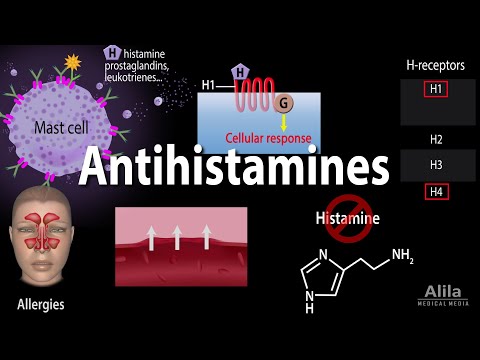
[ edit ]When the body comes into contact with an allergen (such as pollen, dust mites or animal fur), the immune system releases a chemical called histamine, which causes sneezing, a runny nose, itchy eyes and rashes.[1] Antihistamines work by blocking the action of histamine to reduce these symptoms.[1] Hong Kong's Department of Health Drug Office notes that antihistamines are usually divided into two groups: sedating (first-generation) and non-sedating (second- and third-generation) antihistamines.[1]
🔬 How they work
[ edit ]Antihistamines mainly block the histamine H1 receptor. First-generation drugs cross the blood-brain barrier more easily and so cause more central-nervous-system side effects such as drowsiness and dizziness; second-generation drugs cross it only to a small extent and therefore cause less sleepiness.[1] A review in the Journal of Allergy and Clinical Immunology notes that second-generation antihistamines are superior overall because of their high H1-receptor selectivity, low brain penetration and longer duration of action.[6]
💊 First- vs second-generation
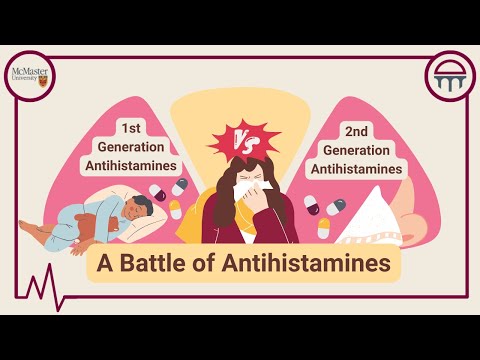
[ edit ]The key difference between the two groups is whether they cause drowsiness:[1][2][3]
- First-generation (sedating): examples include chlorphenamine, brompheniramine, cinnarizine, cyproheptadine, diphenhydramine and promethazine. They are shorter-acting, usually taken 3 to 4 times a day, and more likely to cause drowsiness and dizziness.
- Second-generation (non-drowsy / less drowsy): examples include cetirizine, loratadine, desloratadine, fexofenadine and levocetirizine. They are longer-acting, usually taken once a day, and less likely to affect daily activities.
The Sha Tin District Health Centre notes that first-generation drugs "reach the brain" and cause more nervous-system side effects, while second-generation drugs are safer and less disruptive, suiting people who need to be active during the day.[2] As for which drug is best, the NHS notes there is not much evidence that any particular antihistamine is better than another, and you may need to try a few.[3]
✅ Uses
[ edit ]Antihistamines are most commonly used to relieve allergy symptoms:[3]
- Hay fever / allergic rhinitis: sneezing, runny nose, itchy nose
- Urticaria (hives): itchy, red skin
- Allergic conjunctivitis: itchy, watery, red eyes
- Reactions to insect bites or stings
First-generation antihistamines are also used to prevent motion sickness, treat nausea or vomiting, and as a short-term treatment for insomnia (because of their sedating effect).[3] The Hong Kong Allergy Control Centre notes that in addition to oral forms, antihistamines also come as nasal sprays that work quickly for immediate relief.[4]
⚠️ Side effects
[ edit ]The Drug Office lists the side effects of the two groups:[1]
- First-generation (sedating): drowsiness, dizziness, tiredness; dry mouth, thickened respiratory secretions, blurred vision, constipation, urinary retention; nausea, vomiting and upper-abdominal pain; headache.
- Second-generation (non-sedating): palpitations and irregular heartbeat.
The NHS adds that first-generation antihistamines reduce coordination, reaction speed and judgement, so you should not drive or use machinery after taking them; second-generation drugs are less likely to cause drowsiness but still can, with common side effects including headache, dry mouth and nausea.[3]
🚫 Who should avoid them / interactions
[ edit ]Most people can take antihistamines safely, but speak to a pharmacist or doctor first if you:[3]
- Are pregnant or breastfeeding (the NHS suggests loratadine is usually suitable in pregnancy)
- Are looking for a medicine for a young child
- Are an older person
- Are taking other medicines
- Have an underlying condition such as heart, liver or kidney disease
Antihistamines may also interact with certain medicines, including some antidepressants, stomach-ulcer or indigestion medicines, and cough-and-cold remedies that already contain an antihistamine — taking these together raises the risk of side effects.[3] Avoid alcohol while taking an antihistamine, especially a sedating one, as alcohol increases sleepiness.[3]
🇭🇰 Regulation in Hong Kong
[ edit ]In Hong Kong, most low-dose, single-ingredient antihistamines (such as chlorphenamine, loratadine and cetirizine) are available over the counter at pharmacies; however, some higher-dose or combination products may be controlled under the Pharmacy and Poisons Ordinance and require a registered pharmacy and pharmacist.[unverified] To check the registration status of a product in Hong Kong, use the Drug Office's "search for registered pharmaceutical products" database and look up the registration number on the pack (format "HK-XXXXX").[7]
🛒 Buying tips
[ edit ]Because there are many types of antihistamine, consider the following when buying:[1][3]
- Decide whether you need a sedating or non-drowsy one — choose second-generation for daytime use, or first-generation if you want to sleep better at night
- Check the ingredients to avoid taking several products that each contain an antihistamine (cold remedies often already contain one)
- Follow the dose and directions from the pharmacist or the leaflet
- If unsure which to choose, ask a pharmacist first
❓ Frequently asked questions
[ edit ]Q: What is the difference between first- and second-generation antihistamines?
A: The main difference is drowsiness. First-generation drugs cross the blood-brain barrier and cause sleepiness and dizziness; second-generation drugs are less likely to cause drowsiness and are longer-acting, usually taken once a day.[1][3]
Q: Can I drive after taking an antihistamine?
A: First-generation antihistamines reduce coordination and reaction speed, so do not drive or operate machinery after taking them; second-generation drugs are less likely to cause drowsiness, but avoid driving if you do feel sleepy.[1][3]
Q: Can antihistamines be taken long-term?
A: It depends on the medicine and the reason for use — some can be used long-term, others are only recommended short-term. Follow your doctor's or pharmacist's advice and review regularly.[3]
Q: Can pregnant women take antihistamines?
A: Ask a doctor or pharmacist. The NHS suggests loratadine is usually suitable in pregnancy, but always seek professional advice first.[3]
📚 References
[ edit ]- Department of Health, Drug Office: Antihistamines
- Sha Tin District Health Centre: Nasal discomfort (runny/blocked nose)
- NHS: Antihistamines
- Hong Kong Allergy Control Centre: Allergic rhinitis
- MedlinePlus: Antihistamines for allergies
- Journal of Allergy and Clinical Immunology: Evidence-based use of antihistamines for treatment of allergic conditions
- Department of Health, Drug Office: Search for registered pharmaceutical products
- NHS: Antihistamines (Health A-Z)
🎥 Videos
4 related videos · click to play
 Play