廣東話(繁中)
 English
 簡體中文
If any single wine changed the fortunes of a region, Cloudy Bay Sauvignon Blanc is a strong candidate. It showed that the New World did not have to imitate France; it could win drinkers with its own exuberant fruit.
🍇 Grapes and origins
[ edit ]In 1983 David Hohnen, founder of Cape Mentelle in Margaret River, was sent a bottle of Marlborough Sauvignon Blanc that stopped him in his tracks. He travelled to New Zealand in 1984 and ended up in Blenheim[2][3]. In 1985, with neither vines nor a winery, he persuaded Stoneleigh to sell him 40 tonnes of fruit and made the first vintage at a Gisborne winery; that 1985 wine topped a London Sauvignon Blanc tasting[3].
In 1986 Hohnen borrowed NZ$1 million at 23.5% interest to buy 140 hectares in the Wairau Valley and build a winery, producing the first estate-grown, estate-made wine that year[2][3]. Founding winemaker Kevin Judd shaped the house style before leaving to found Greywacke[2].
The name comes from the bay Captain Cook named in 1770; the Māori name Te Koko o Kupe later gave its name to the barrel-fermented Te Koko range[1].
🌍 Where it comes from
[ edit ]Marlborough sits at the northern tip of New Zealand's South Island: long sunshine hours, cool nights and low rainfall. The stony, sandy soils near the Wairau River drain freely and suit Sauvignon Blanc, while heavier clays in the Southern Valleys favour Pinot Noir and Chardonnay[1]. Cloudy Bay farms 163 parcels plus 65 grower blocks — about 702 hectares, of which 524 are Sauvignon Blanc[1][2]. In 2014 it bought the Northburn vineyard in Central Otago, its first expansion outside Marlborough[2].
The portfolio also includes Chardonnay, Pinot Noir, Pelorus traditional-method sparkling and the barrel-fermented Te Koko, first released in 2000 from the 1996 vintage[2].
👃 Aromas and palate
[ edit ]Typical vintages show passionfruit, lime, white peach and citrus with green herb and capsicum notes; the palate is bright and clean with a faint saline, mineral finish[4]. Alcohol is usually 13–13.5%. Compared with the restraint of Sancerre, Cloudy Bay is more extroverted and fruit-driven — precisely why it caused a stir in 1980s London[2]. Serve at 8–10°C; too cold mutes the nose, room temperature makes it flabby.
🍷 Vintages and ageing
[ edit ]Sauvignon Blanc is not a long-ageing variety; the standard bottling is best within three to five years. Vintage variation is mostly weather: dry years give concentrated fruit and good acidity, wetter years more green and herbal notes. For an aged expression, choose Te Koko — wild yeast, old French oak, Burgundy-like texture, good for eight to ten years[2]. In Hong Kong's heat, refrigerate soon after purchase and keep bottles away from kitchens and balconies.
🍽️ Food pairing
[ edit ]Oysters and mussels are the classic match, the acidity cutting salinity and metallic edges. Locally: steamed garoupa or barramundi, poached prawns, clams in broth, Thai green papaya salad, Vietnamese spring rolls, goat's cheese salad or tempura. Avoid very spicy dishes such as Sichuan hotpot — high acidity amplifies heat — and heavy braised red dishes. At a Chinese banquet, pour it with the seafood and poached chicken courses.
🛒 Buying and prices
[ edit ]City'Super's online shop lists the 2024/25 750 ml at HK$248[7]; independent merchants start around HK$199, while supermarkets and department stores sit at HK$248–268. Differences reflect vintage, gift packaging and promotions. Check the back label for vintage and importer, and avoid bottles that have sat in direct light. Half bottles and large formats are uncommon locally; 750 ml is the norm.
On value, Cloudy Bay is a safe choice in Hong Kong: transparent pricing, steady supply, consistent style. To explore the region further, look at single-vineyard Marlborough Sauvignon Blanc, often 20–30% cheaper.
❓ FAQ
[ edit ]Q: Is Cloudy Bay the best Sauvignon Blanc in New Zealand?
A: It is the one that made the region famous; "best" is subjective, and Marlborough now has many estate bottlings ranging from exuberant to restrained[2][5].
Q: Why does the wine taste so different year to year?
A: Sauvignon Blanc is weather-sensitive: dry vintages give concentrated fruit, cooler wet ones show more herbal notes.
💡 Q: How long does an opened bottle last?
A: Two to three days in the fridge, maybe one more in a ripe, high-acid vintage. Vacuum stoppers are not a long-term solution.
Q: Is there a difference between official and parallel imports in Hong Kong?
A: Mainly storage and shipping; official imports usually have a named importer and cold chain, costing slightly more with lower risk[7].
🇭🇰 Its place in the Hong Kong market
[ edit ]Hong Kong's white wine market has long been split between France, Italy and New Zealand. Cloudy Bay's advantage is a recognisable name, an accessible price and a consistent taste: a safe choice for people who do not know wine well, and an easy pour for restaurants serving Cantonese seafood, where it rarely goes wrong. That is why it appears in Chinese restaurants, hotels and supermarket chains alike.
Precisely because it is so common, many drinkers have moved to single-vineyard Marlborough Sauvignon Blanc or Loire Sancerre — the former more exuberant, the latter more restrained and mineral. Cloudy Bay's role has become the reliable gathering wine.
On pricing, premium supermarkets and department stores charge more but run frequent promotions, while independents and online platforms are cheaper but may not ship chilled. In summer, choose next-day delivery with insulated packaging; if collecting yourself, do not leave the wine in a car boot. Once opened, a stoppered bottle in the fridge survives to day two, though the fruit fades noticeably.
📚 References
[ edit ]- Cloudy Bay: What's so special about Cloudy Bay?
- Decanter: Cloudy Bay at 40 — raising a glass to a game changer
- Marlborough Wine NZ: Cloudy Bay
- NZ Herald: How Cloudy Bay helped put NZ on the global wine map
- New Zealand Winegrowers
- LVMH: Cloudy Bay
- SOGO Hong Kong: Cloudy Bay Sauvignon Blanc 750ml (HK$258)
🎥 Videos
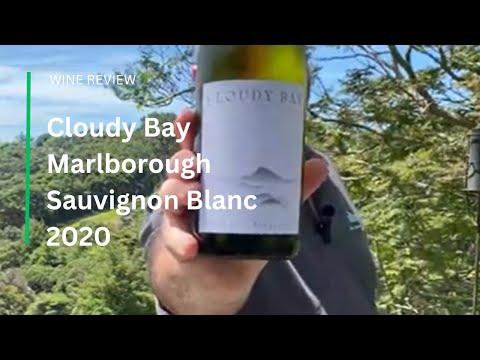
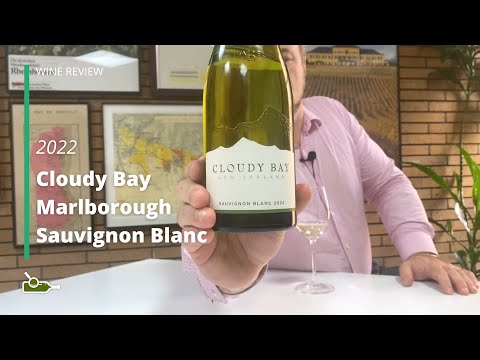
4 related videos · click to play
 Play