廣東話(繁中)
 English
 簡體中文
Shingles (herpes zoster), commonly known in Hong Kong as "生蛇" (snake eruption), is a disease caused by the reactivation of the varicella-zoster virus (VZV), the same virus that causes chickenpox[1][2]. After recovery from chickenpox, the virus lies dormant in the dorsal root ganglia of the spinal cord or the cranial nerve ganglia, and reactivates later when immunity declines, travelling along nerve fibres to the skin and causing shingles[1][2]. The typical presentation of shingles is burning or stabbing pain on one side of the body, followed by a band-like rash and clusters of blisters, most commonly on one side of the chest, waist or face[1][3]. Although shingles itself cannot be directly transmitted to others as "shingles", the blister fluid contains VZV and can cause chickenpox in people who have never had chickenpox or been vaccinated[1][2]. This article summarises information on the causes, symptoms, diagnosis, treatment and prevention of shingles. It is encyclopaedic health information and does not constitute medical advice.
🦠 Definition and Causes
[ edit ]Shingles is a viral infection caused by the varicella-zoster virus (VZV)[1][2]. VZV is the same virus that causes chickenpox, and primary infection usually occurs in childhood, presenting as chickenpox[1][2]. After recovery from chickenpox, the virus does not leave the body completely but lies dormant in the dorsal root ganglia of the spinal cord or the cranial nerve ganglia[1][2].
When the person's immunity declines—for example with increasing age, illness or immunosuppressive treatment—the dormant virus can reactivate and travel along sensory nerve fibres to the area of skin they supply, causing shingles[1][2]. Because the virus travels along a single nerve, the rash is usually confined to one side of the body in a band-like distribution, which is the origin of the name "herpes zoster"[1][3]. The appearance of shingles reflects the reactivation of latent virus within the body rather than a recent infection[1][2].
🤝 Infectiousness and Transmission
[ edit ]Shingles itself cannot directly transmit "shingles" to others; that is, contact with a person who has shingles will not cause the other person to develop shingles directly[1][2]. However, the blister fluid of a person with shingles contains VZV, and if someone who has never had chickenpox or been vaccinated against it comes into contact with the blister fluid, they may develop chickenpox[1][2]. Therefore, until the blisters have crusted over, patients should avoid close contact with high-risk groups such as pregnant women, newborn infants and immunocompromised individuals[2]. Once the blisters have crusted, the risk of transmission generally decreases[2].
🤒 Symptoms
[ edit ]The symptoms of shingles usually appear in stages. One to several days before the rash appears, the patient experiences burning, stabbing, itching or numbness on one side of the body[1][3]. These sensations can be quite pronounced and may sometimes cause discomfort even before the rash appears[1][3].
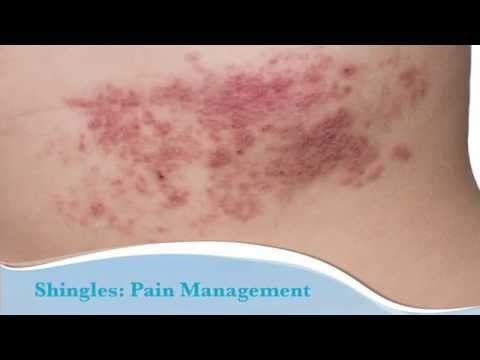
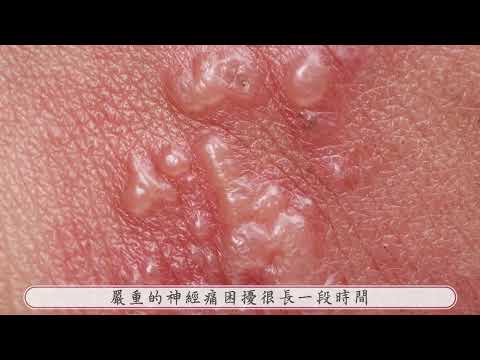
Subsequently, a unilateral band-like red rash appears, with clusters of blisters forming on the rash, which later crust over[1][3]. The rash commonly occurs on one side of the chest, waist or face[1][3]. In addition to skin symptoms, patients may also experience systemic symptoms such as fever, headache, fatigue and photophobia[1][3]. Because the rash and neuralgia are usually confined to one side, this unilateral distribution is helpful for diagnosis[1][3]. If the rash appears near the eyes or ears, particular attention is required, as shingles in these locations may cause more serious complications[1][6].
⚠️ High-Risk Groups
[ edit ]The risk of shingles increases significantly with age, with people aged 50 and above being the main high-risk group, and the risk rising sharply with age[1][3][4]. In addition to age, immunocompromised individuals are also at high risk, including those undergoing chemotherapy, after organ transplantation, infected with HIV, or on long-term steroid use[1][3][4]. These conditions weaken the immune system's control over the latent virus, increasing the likelihood of viral reactivation[1][3].
Epidemiological data show that the lifetime risk of developing shingles is approximately 36.5%; the global standardised incidence rate is approximately 476.2 cases per 100,000 person-years; and the median age of onset is approximately 56 years[6]. These figures reflect that shingles is a relatively common disease, particularly among the middle-aged and elderly population[6].
🔬 Diagnosis
[ edit ]The diagnosis of shingles relies mainly on clinical presentation, with doctors making a judgement based on the patient's history and the distribution of the rash[1][3]. The typical unilateral band-like rash, clusters of blisters, and neuralgia preceding the rash are important bases for diagnosis[1][3]. Doctors will also ask whether the patient has had chickenpox, whether they have been vaccinated, and whether they have any immunocompromising conditions[1][3].
In some circumstances, such as when the rash is atypical, doctors may consider laboratory tests to assist in confirming the diagnosis[1][3]. The specific testing methods and their applicable situations must be determined by a doctor on an individual case basis[1][3]. If involvement of the eyes or ears is suspected, doctors will carry out further assessment to rule out related complications[1][6].
💊 Western Medical Treatment
[ edit ]Treatment of shingles includes antiviral medication and symptom control. Oral antivirals include acyclovir, valacyclovir and famciclovir, ideally started within 72 hours of the rash appearing, with a course generally lasting 7–10 days; these can shorten the course of illness and reduce the risk of postherpetic neuralgia (PHN)[1][3][4]. Early initiation of antiviral treatment is particularly important for efficacy[1][3][4].
For pain relief, over-the-counter analgesics such as paracetamol and ibuprofen can relieve discomfort; for more severe cases or those with neuralgia, prescription neuropathic pain medications such as pregabalin, gabapentin, amitriptyline, or lidocaine patches may be used[1][4]. In addition, calamine lotion and cold compresses can help relieve itching[1][4]. Antiviral medications are currently used in Hong Kong for the treatment of shingles[4][5]. As for the dosage and course details of individual medications, these must be determined by a doctor according to the patient's condition; uniform dosage information could not be verified for this article.
🩺 Complications
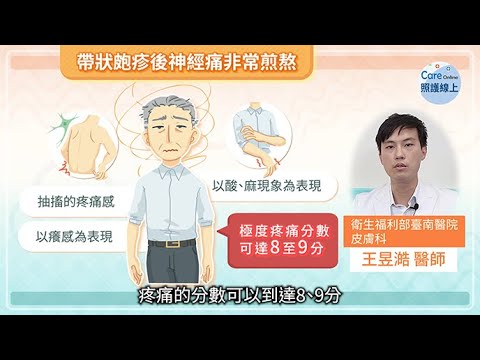
[ edit ]The most common complication of shingles is postherpetic neuralgia (PHN), defined as pain lasting 90 days or more after the rash appears, affecting 5% to over 30% of patients, with risk increasing with age[1][6][7]. PHN can significantly affect patients' daily lives and sleep[6][7].
Ophthalmic shingles can cause keratitis, uveitis and even blindness[1][6]. Immunocompromised individuals may also develop disseminated infection, where the virus spreads beyond the area of the rash[1][6]. These complications serve as a reminder that if the rash appears near the eyes, or if the patient is immunocompromised, medical attention should be sought promptly[1][6].
🛡️ Prevention (Vaccines and Lifestyle)
[ edit ]Vaccination is an important method of preventing shingles. The recombinant zoster vaccine (RZV, brand name Shingrix) requires two doses, 2–6 months apart, and is recommended for people aged 50 or above; it is also recommended for immunocompromised individuals aged 19 or above; studies show that the vaccine effectively reduces the risk of shingles and PHN[1][5]. The World Health Organization (WHO) recommends considering two doses for older adults and those with chronic diseases[1][5]. Shingles vaccines are currently available in Hong Kong, and members of the public may consult their doctors[4][5].
In addition to vaccination, maintaining good lifestyle habits and getting adequate rest can help support overall immunity[3]. The specific impact of lifestyle habits on the risk of developing shingles requires further research to verify. Those in high-risk groups, such as people aged 50 or above or immunocompromised individuals, may discuss vaccination arrangements with their doctors[1][5].
🌿 Traditional Chinese Medicine Perspective
[ edit ]In traditional Chinese medicine, shingles is also known as "蛇串瘡" (snake-like sores) or "纏腰火龍" (fire dragon encircling the waist); these are traditional folk and TCM names, and the related terminology could not be confirmed in verified official sources. TCM treatment approaches mainly focus on clearing heat and detoxifying, and promoting blood circulation and unblocking collaterals; the specific formulae and medication details could not be verified for this article, and readers who are interested should consult a registered Chinese medicine practitioner. The TCM perspective may serve as an alternative angle for understanding the disease, but it should not replace Western medical diagnosis and treatment.
🏠 Natural / Home Care
[ edit ]For home care, patients can keep the rash clean and dry and avoid scratching or breaking the blisters to reduce the risk of infection[3][8]. Cold compresses and calamine lotion can help relieve itching[1][4]. Patients should also wear loose clothing to reduce discomfort caused by clothing rubbing against the rash[3][8]. If pain affects rest, analgesics may be used according to the instructions of a doctor or pharmacist[1][4].
Because the blister fluid contains VZV, patients should avoid close contact with pregnant women, newborn infants and immunocompromised individuals until the blisters have crusted over[2]. Getting adequate rest and proper nutrition can help the body recover[3][8]. If symptoms persist or worsen, medical attention should be sought promptly[1][3].
🚨 When to Seek Medical Attention
[ edit ]If you suspect you have shingles, especially if a unilateral band-like rash and neuralgia are present, you should seek medical attention promptly, as antiviral treatment is best started within 72 hours of the rash appearing[1][3][4]. If the rash appears near the eyes or ears, medical attention should be sought as soon as possible to rule out complications such as keratitis and uveitis[1][6]. Immunocompromised individuals, such as those undergoing chemotherapy, after organ transplantation or infected with HIV, should also seek medical attention promptly if related symptoms appear[1][3][4].
In addition, if pain remains severe after an initial improvement, or if there are signs of infection of the rash, medical attention should be sought[1][3]. Postherpetic neuralgia can last for months, and patients troubled by neuralgia may consult their doctors about appropriate management options[1][6][7].
❓ Frequently Asked Questions
[ edit ]Q: Can shingles be transmitted to others?
A: Shingles itself cannot directly transmit "shingles" to others, but the blister fluid contains VZV and can cause chickenpox in people who have never had chickenpox or been vaccinated[1][2].
Q: Must medication for shingles be taken within 72 hours?
A: Oral antivirals are best started within 72 hours of the rash appearing, with a course generally lasting 7–10 days, which can shorten the course of illness and reduce the risk of PHN[1][3][4]. If this time frame has passed, a doctor should assess whether medication is still appropriate[1][3].
Q: Who should receive the shingles vaccine?
A: The recombinant zoster vaccine (RZV, brand name Shingrix) requires two doses, 2–6 months apart, and is recommended for people aged 50 or above; it is also recommended for immunocompromised individuals aged 19 or above[1][5]. Shingles vaccines are currently available in Hong Kong, and you may consult your doctor[4][5].
Q: What causes prolonged pain after shingles?
A: This may be postherpetic neuralgia (PHN), defined as pain lasting 90 days or more after the rash appears, affecting 5% to over 30% of patients, with risk increasing with age[1][6][7]. If you are troubled by neuralgia, you may consult your doctor about management options[1][4].
📚 References
[ edit ]- World Health Organization WHO, "Shingles (herpes zoster)"
- Centre for Health Protection, Department of Health, Hong Kong, "Chickenpox"
- National Health Service (NHS), UK, "Shingles"
- Drug Education Resources Centre, Hong Kong, "Herpes Zoster"
- Gleneagles Hospital Hong Kong, "In-depth Understanding of Typical Herpes Zoster"
- Postherpetic Neuralgia: Mechanisms, Risk Factors, and Stratified Management—A Narrative Review
- Systematic review of incidence and complications of herpes zoster
- Australian Government healthdirect, "Shingles"
- Hong Kong Red Cross, "Chickenpox and Herpes Zoster (Shingles)"
🎥 Videos
4 related videos · click to play
 Play