廣東話(繁中)
 English
 簡體中文
The straw-wrapped bottle in the supermarket and the Chianti Classico on a restaurant list belong to the same family but not the same league. Learn four words — Chianti, Classico, Riserva, Gran Selezione — and you will not buy the wrong bottle.
🍇 Grape and origins
[ edit ]Sangiovese is Italy's most planted red grape; the name is said to derive from the Latin for 'blood of Jove'[3]. It has thin skins, high acidity, moderate tannin and aromas of red cherry, dried herbs, tomato leaf and tobacco. The Chianti Classico consortium was founded in Radda in Chianti on 14 May 1924 and adopted the Black Rooster as its emblem[1].
🌍 The zone
[ edit ]The Chianti Classico zone covers about 71,800 hectares between Florence and Siena, including the whole municipalities of Castellina, Gaiole, Greve and Radda in Chianti and parts of Barberino Tavarnelle, Castelnuovo Berardenga, Poggibonsi and San Casciano Val di Pesa[2]. Harvest usually runs from the first half of September to the second half of October depending on site and altitude[1].
👃 Aroma and palate
[ edit ]The basic style is red cherry and red berry with dried herbs, tomato leaf and earth, high acidity, medium tannin and medium body. Riserva adds leather, tobacco and spice through longer ageing; Gran Selezione is denser and more structured[3][4]. Classico is the smaller, stricter core of the wider Chianti DOCG, whose rules allow a much broader area and style range[2][4].
🍷 Ageing tiers
[ edit ]Annata: minimum 12 months, fruit-forward. Riserva: minimum 24 months with at least three in bottle. Gran Selezione, introduced in 2013: minimum 30 months and estate-grown grapes only[3][4]. The wider Chianti DOCG requires at least 70% Sangiovese, with other permitted varieties making up the rest[4].
🍽️ Food pairing
[ edit ]Acidity is Chianti's great asset: pasta al pomodoro, pizza margherita, bistecca, roast pork. With Cantonese food it handles sweet-and-sour pork, tomato beef, roast goose and char siu unusually well because the wine's acidity mirrors the dish. Avoid steamed fish and plain poached seafood.
🛒 Buying
[ edit ]Hong Kong offers everything from supermarket entry-level bottles to specialist-merchant Gran Selezione, at very different prices, so compare before buying[1]. Look for the Black Rooster for Chianti Classico, choose Riserva if you want more complexity now, and treat the straw basket as packaging rather than a quality signal.
❓ FAQ
[ edit ]Q: Is Chianti the same as Chianti Classico?
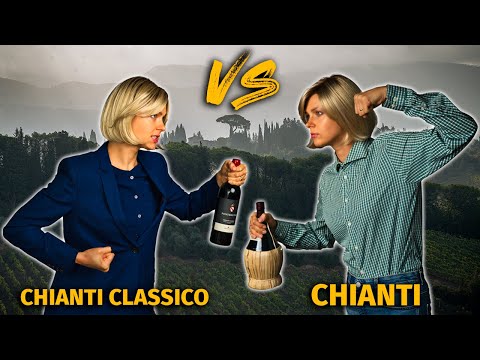
A: No. Classico is the historic core with stricter rules and the right to the Black Rooster[2].
💡 Q: Is Gran Selezione worth the extra?
A: For a special meal or to see Chianti's ceiling, yes; for everyday drinking Annata is enough[3].
💡 Q: Can it age?
A: Riserva and Gran Selezione will keep 8–15 years; drink Annata within three to five.
Q: Why do some Chianti taste slightly fizzy?
A: The old governo method added a little fresh must, which could leave a light prickle; it is rare today.
📚 References
[ edit ]- Chianti Classico 官方網站:〈Wines〉(分級與法定要求)
- Chianti Classico 官方網站:〈Production zone〉(產區範圍與面積)
- Decanter:〈Bitesize guide to Chianti Classico Gran Selezione〉
- WSET Global:〈A comprehensive guide to Chianti wine classifications〉(各級陳年要求)
- Italian Wine Central:義大利法定產區資料
- International Organisation of Vine and Wine(OIV):全球葡萄酒統計
🎥 Videos
4 related videos · click to play
 Play