廣東話(繁中)
 English
 簡體中文
German labels are among the hardest in wine, but two rules cover most of it: Kabinett to TBA describes ripeness, and trocken describes sweetness. Read them separately and you will not buy the wrong bottle.
🍇 Grape and origins
[ edit ]Riesling is Germany's most important white grape, with a history going back to the fifteenth century. It is grown in all 13 German wine regions, most famously the Mosel, Rheingau, Pfalz, Rheinhessen and Baden[4]. Germany's cool climate ripens it slowly, so alcohol stays naturally low — usually 8–12% — while acidity and perfume remain high[1][5].
🌍 Regions
[ edit ]The Mosel is the classic: steep slate terraces, sometimes over 60 degrees, giving the lightest, most acidic and lowest-alcohol wines with lime, green apple and slate. The Rheingau produces fuller, more structured wines with a high proportion of dry styles; the Pfalz is warmer and riper; Rheinhessen is the largest region by volume; Baden in the south is the warmest and closest in style to Alsace[4].
👃 Aroma and palate
[ edit ]Lime, green apple, white peach, apricot, white flowers, honey and wet slate. Dry (trocken) versions are brisk and refreshing; sweet versions balance sugar with acidity so they never taste cloying[1][4]. As ripeness rises, so do body, alcohol and sweetness — Kabinett is lightest, Spätlese fuller, Auslese shows botrytis and honey, and BA and TBA are dessert wines[5].
🍷 Vintage and ageing
[ edit ]German Riesling ages remarkably: Kabinett five to ten years, Spätlese ten to twenty, Auslese and above twenty-plus, developing honey, dried apricot, smoke and the classic petrol note[4][5]. The Prädikat on the label is often a better guide than the vintage alone.
🍽️ Food pairing
[ edit ]Acidity plus a touch of sweetness handles salt, heat and fat: sweet-and-sour pork, kung pao chicken, Sichuan mouthwatering chicken, Shanghai smoked fish, Thai and Indian curries, steamed fish and salt-baked crab. BA and TBA pair better with Chinese desserts than with Western cakes[4].
🛒 Buying
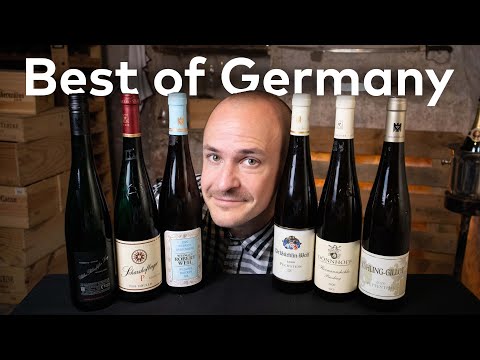
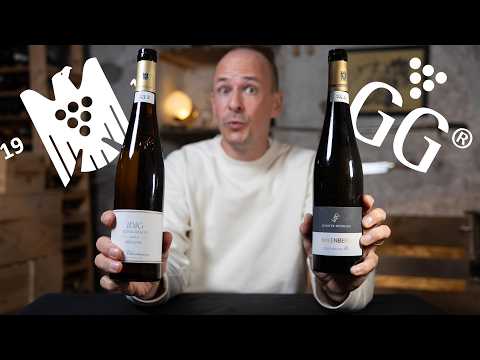
[ edit ]Hong Kong now has good availability through specialist merchants, online shops and some supermarkets, with prices from entry level to Trockenbeerenauslese in half bottles, so compare before buying[2]. Look for trocken if you want dry; start sweet wines at Auslese; and treat VDP Grosses Gewächs as the marker for top dry Riesling[3].
❓ FAQ
[ edit ]💡 Q: Is Kabinett always sweet?
A: No — it describes ripeness and can be made dry[4].
💡 Q: Why is the alcohol so low?
A: Cool climate and slow ripening mean less sugar is converted to alcohol[1].
💡 Q: What is Grosses Gewächs?
A: The VDP's designation for top dry wines from great sites[3].
💡 Q: How long does an open bottle keep?
A: Three to four days refrigerated for dry styles; up to a week for sweet ones.
📚 References
[ edit ]🎥 Videos
4 related videos · click to play
 Play