廣東話(繁中)
 English
 簡體中文
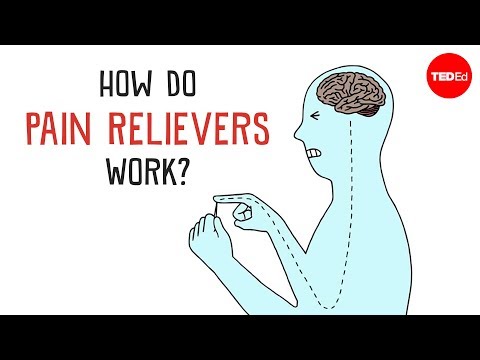
Painkillers are among the most common medicines found in Hong Kong household medicine cabinets, used to relieve discomfort from headaches, toothache, muscle pain, period pain and fever[1]. Over-the-counter painkillers on the market fall mainly into two categories: paracetamol (acetaminophen) and non-steroidal anti-inflammatory drugs (NSAIDs, such as ibuprofen, diclofenac, naproxen and aspirin)[1,2,7]. The two classes differ in their mechanism of action, the situations in which they are appropriate, and their side effects, so understanding them clearly is essential for safe use[2,3]. This article introduces the basic knowledge of painkillers, correct usage, potential risks and when to seek medical attention; the content is for reference only and does not constitute medical advice[1].
💊 Definition and Causes: What Are Painkillers?
[ edit ]Painkillers are medicines used to reduce the sensation of pain, and some over-the-counter varieties can be bought in pharmacies and supermarkets in Hong Kong[1,2]. Paracetamol has analgesic and antipyretic effects but no anti-inflammatory effect[3,4]; NSAIDs possess analgesic, anti-inflammatory and antipyretic actions simultaneously[2,7]. Pain itself is a warning signal from the body and may arise from injury, inflammation, infection or other diseases; painkillers only relieve symptoms and do not address the underlying cause[1]. Therefore, if pain persists or recurs, a doctor should be consulted to establish the cause, rather than relying on self-purchased medication for long-term pain relief[1].
The two classes work by different mechanisms, so in some situations they can be used together[2,3,7]. It should be noted, however, that many combination cold and flu remedies already contain paracetamol, and taking additional paracetamol tablets at the same time can easily lead to overdose[2,3]. This is a risk that many people overlook[5].
🤒 Symptoms: What Discomfort Are Painkillers Used For?
[ edit ]Over-the-counter painkillers are generally used to relieve mild to moderate pain, such as headache, toothache, muscle aches, joint pain, period pain and the discomfort caused by fever[1,2]. Because paracetamol has no anti-inflammatory action, it is more suitable for simple pain and fever[3,4]; NSAIDs have an anti-inflammatory effect and are therefore more commonly used where an inflammatory component is present, such as sprains and joint inflammation[2,7].
It should be noted that painkillers target symptoms only and do not make the cause disappear[1]. If pain is accompanied by persistent high fever, continuous vomiting, confusion, difficulty breathing or increasingly severe pain, painkillers alone should not be relied upon and medical attention should be sought promptly[1,2]. In addition, if vomiting of blood or coffee-ground-like vomit, black stools, blood in the urine, or unusual bleeding or bruising occurs after taking the medication, medical attention should be sought immediately[2].
⚠️ High-Risk Groups: Who Needs to Take Particular Care?
[ edit ]Not everyone is suitable for using painkillers casually[2,3,7]. People with liver disease or chronic alcohol abuse should reduce the dose when using paracetamol, because overdose can harm the liver[3,4,5,6]. People with asthma, gastric ulcer, kidney disease or heart failure should avoid NSAIDs or consult a doctor before using them[2,3,7]. Women in late pregnancy are also unsuitable for NSAIDs[2,3,7].
With regard to children and adolescents, aspirin is an NSAID and is not recommended for children/adolescents under 16 years of age (especially during viral infection); this is an international convention, and the original wording of Hong Kong official guidance could not be verified, so it is for reference only[7]. Older people, those taking multiple medicines, and those with chronic diseases should consult a doctor or pharmacist before using any painkiller[1,2].
🩺 Diagnosis: When Does Pain Require a Doctor?
[ edit ]Painkillers are over-the-counter medicines and generally require no diagnosis before purchase, but this does not mean the cause behind the pain can be ignored[1]. When diagnosing pain, a doctor usually asks about the location, nature and duration of the pain, triggering factors, and whether other symptoms are present, then combines this with a physical examination to determine the cause[1].
If pain persists longer than expected, recurs, affects daily life, or is accompanied by weight loss, fever or waking at night from pain, medical attention should be sought[1]. The doctor will also ask about any history of liver disease, kidney disease, gastric ulcer or asthma, and about what medicines the patient is currently taking, in order to decide which type of painkiller is suitable[2,3,7]. This step is important for safe medication use[1,2].
💉 Western Medical Treatment: How Are the Two Main Classes of Painkillers Used?
[ edit ]For paracetamol, adults take 500–1000mg per dose, every 4–6 hours, up to a maximum of 4000mg (4g) in 24 hours[3,4,5]. Overdose can harm the liver and is the most common cause of drug-induced acute liver failure in developed countries[5,6]; people with liver disease or chronic alcohol abuse should reduce the dose[3,4,5,6].
For NSAIDs, adults generally take ibuprofen 200–400mg per dose, three times daily, with a maximum over-the-counter daily dose of 1200mg, and it should be taken after food or with a meal[2,3,7]. Common side effects include gastrointestinal upset, stomach pain, gastric bleeding and impaired kidney function[2,3,7]. People with asthma, gastric ulcer, kidney disease, heart failure or in late pregnancy should avoid them or consult a doctor first[2,3,7].
Paracetamol and ibuprofen can be used together because their mechanisms differ; however, multiple medicines containing the same ingredient should not be taken at the same time, to avoid overdose[2,3,7]. Specific adult doses for other NSAIDs such as diclofenac, naproxen and aspirin are not provided in the verified materials and could not be verified[2,7].
Regarding regulation in Hong Kong, most NSAIDs are prescription medicines, while a small number (such as ibuprofen) may be purchased in registered pharmacies under the supervision of a registered pharmacist; paracetamol is a general over-the-counter medicine[2].
🩹 Complications: What Happens If Used Incorrectly?
[ edit ]The most serious risk of paracetamol is liver injury[5,6]. Overdose can cause acute liver failure and is the most common cause of drug-induced acute liver failure in developed countries[5,6]. Both intentional and unintentional overdose can cause harm, so label instructions must be followed and the daily maximum must not be exceeded[1,5,6].
The risks of NSAIDs lie mainly in the gastrointestinal tract and kidneys[2,3,7]. Common side effects include gastrointestinal upset and stomach pain, and more seriously they can cause gastric bleeding and impaired kidney function[2,3,7]. If vomiting of blood or coffee-ground-like material, black stools, blood in the urine, or unusual bleeding or bruising occurs after taking the medication, medical attention should be sought immediately[2]. Long-term or high-dose use of NSAIDs carries a higher risk, so the lowest effective dose and the shortest course should be used[2,7].
🛡️ Prevention: Vaccines and How to Reduce Risk in Daily Life
[ edit ]Painkillers themselves do not involve vaccine prevention, but correct medication habits are the best form of "prevention"[1]. Safety points include: follow the label or the instructions of a doctor or pharmacist and do not exceed the dose; do not drink alcohol while taking the medication; do not give your own medicines to others; and store them in a cool, dry place out of reach of children[1].
In daily life, if the pain is related to inflammation, appropriate rest, cold or heat compresses, maintaining good posture and moderate exercise may all help[1]. These are, however, general lifestyle suggestions, and specific measures should be adjusted to individual circumstances[1]. In addition, reading the ingredient label carefully before buying medicine and avoiding taking several medicines containing the same ingredient at once is key to preventing overdose[2,3].
🌿 Chinese Medicine Perspective
[ edit ]The verified materials do not provide a Chinese medicine perspective on painkillers, so this section could not be verified[1,2]. Readers who wish to understand pain relief or constitutional regulation from a Chinese medicine perspective should consult a registered Chinese medicine practitioner and inform them of any Western medicines they are taking, to avoid interactions[1].
🏠 Natural / Home Care
[ edit ]For mild pain, non-pharmacological methods can be tried first at home, such as rest, adjusting posture, and local cold or heat compresses[1]. The specific effects and appropriate applications of these methods are not supported by detailed data in the verified materials and could not be verified[1]. If over-the-counter painkillers are used, label instructions should be followed closely, and the dose should not be increased on the assumption that "taking more will work faster"[1,5].
For home storage of medicines, they should be kept in a cool, dry place out of reach of children, and expiry dates should be checked regularly[1]. Your own medicines should not be given to others, because each person's medical history and medication contraindications differ[1]. Alcohol should not be consumed while taking the medication, to avoid adding burden on the liver and gastrointestinal tract[1].
🚑 When to Seek Medical Attention
[ edit ]If vomiting of blood or coffee-ground-like material, black stools, blood in the urine, or unusual bleeding or bruising occurs after taking the medication, medical attention should be sought immediately[2]. These may be warning signs of gastrointestinal bleeding or other serious problems[2]. In addition, if pain persists, recurs, becomes increasingly severe, or is accompanied by high fever, difficulty breathing or altered consciousness, medical attention should be sought as soon as possible[1].
People with existing liver disease, kidney disease, gastric ulcer, asthma or heart failure, or those in late pregnancy, should consult a doctor before using painkillers[2,3,7]. If unsure which medicine is suitable, taking the medicine packaging to ask a registered pharmacist is a reliable approach[1,2].
❓ Frequently Asked Questions
[ edit ]Q: Can paracetamol and ibuprofen be taken together?
A: Yes, because their mechanisms differ[2,3,7]. However, multiple medicines containing the same ingredient should not be taken at the same time, to avoid overdose[2,3,7].
Q: What is the maximum daily dose of paracetamol?
A: Adults take 500–1000mg per dose, every 4–6 hours, up to a maximum of 4000mg (4g) in 24 hours[3,4,5]. Overdose can harm the liver[5,6].
Q: Can I drink alcohol while taking painkillers?
A: No, alcohol should not be consumed while taking the medication[1].
💡 Q: Can children use aspirin?
A: Aspirin is an NSAID and is not recommended for children/adolescents under 16 years of age (especially during viral infection); this is an international convention, and the original wording of Hong Kong official guidance could not be verified, so it is for reference only[7].
📚 References
[ edit ]- Hong Kong Department of Health Drug Office, "General Advice on Taking Painkillers"
- Hong Kong Department of Health Drug Office, "Anti-inflammatory and Painkilling Drugs"
- UK National Health Service (NHS), "Ibuprofen for adults"
- UK National Health Service (NHS), "Paracetamol for adults"
- US Food and Drug Administration (FDA), "Don't Overuse Acetaminophen"
- Liver injury induced by paracetamol and challenges associated with intentional and unintentional use
- Hong Kong Department of Health, "Non-steroidal Anti-inflammatory Drugs (NSAIDs)"
- US National Library of Medicine MedlinePlus, "Pain Relievers"
🎥 Videos
3 related videos · click to play
 Play